rep_team_analysis-en
Redefining Organizational Analysisthrough the Nagamine Team Analysis Method
From “Measuring” to “Designing” Teams. Implement “Structure” and “Time” into Legacy Team Analysis (IMO/GRPI).

The Reality of “Invisible Stagnation”
You have assembled a talented team, defined clear goals (OKR), and fostered healthy relationships (GRPI). Yet, the team feels heavy and slow.”
The cause of this common frustration is not a lack of individual talent or effort. It lies in the mismatch between the “Blueprint (Structure)” and the current “Phase (Time)” of the team. This report explains how to elevate team management from “intuition” to an objective “Algorithm.
The Core of the Nagamine Method: Three Design Axes
We redefine the team not merely as a collection of individuals, but as an “Integrated Entity” through these three dimensions:
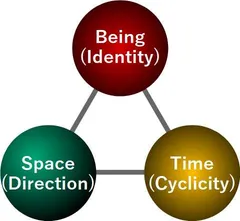
① 【Existence: Algorithm】
Logically define the team’s unique traits. Instead of mimicking external success stories, we define the team’s original “Operating System” based on the specific combination of its inherent qualities.
② 【Space: Directional Flow】
Design roles as “pathways of energy” rather than just “task assignments.” By visualizing where energy enters, circulates, and connects to results, you can structurally resolve bottlenecks and individual overload.
③ 【Time: Leadership Phase】
Teams operate in cycles. The required leadership and decision-making templates differ between the “Launch” and “Stability” phases. Identifying your current “Phase” ensures an effortless path forward.
Synergy with Legacy Methods (IMO / GRPI)
The Nagamine Method does not replace existing management theories. Instead, it serves as the Foundation (OS) that makes them function more effectively.
- The Role of Legacy Methods (IMO/GRPI): Operation & Evaluation. A “GPS” to identify and improve bottlenecks in active fields.
- The Role of Nagamine Team Analysis: Proactive Design. A “Map” to establish the prerequisites for success and define the criteria for evaluation.
“Draw the Map with the Nagamine Method; Confirm the Location with Legacy Methods.” This integration dramatically increases management precision.
Table of Contents (7 Chapters)
- Background: The “Timeline Void” and the Lack of “Unique Criteria.”
- The Value of Legacy Methods: The Sophistication of IMO/GRPI Models.
- Structural Challenges: The Dilemma of “Forced Optimization” without a Baseline.
- Core Philosophy: Defining the Team as an “Integrated Entity” via Three Axes.
- Methodology: Algorithm, Directional Flow, and Phase-Specific Decision Making.
- Integration Model: Transforming Feedback from “Personality Blame” to “Structural Adjustment.”
- Conclusion: Toward Sustainable Organizations Rather Than Just “Strong” Ones.
Access the Full Research Report (Executive Summary Edition)
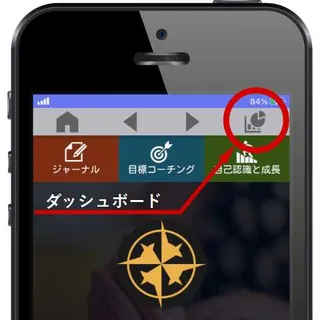
For a more detailed, academic, and structural explanation of the theories presented above, the full report is available for download in PDF format. Please log in to the tool and navigate to the “Library List” on your dashboard.